Android Game Development
Android game development has grown rapidly in recent years, fueled by the massive popularity of mobile gaming. With billions of Android devices worldwide and an ever-increasing demand for innovative, engaging mobile experiences, game development on Android presents a lucrative and creative opportunity for developers.
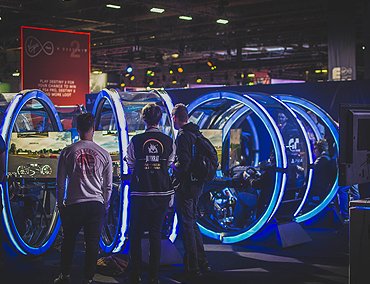
The Android Gaming Ecosystem
Market Overview
Android holds the largest market share in the mobile operating system space. With access to the Google Play Store and third-party marketplaces, Android developers can reach a vast global audience. According to Statista, mobile games accounted for over 50% of global gaming revenue, with Android being a significant contributor.
Why Develop Games for Android?
Massive User Base: Billions of devices run Android OS.
Open Source: Flexibility to modify and distribute software.
Diverse Hardware Support: From low-end to high-end devices.
Monetization Options: In-app purchases, ads, paid downloads.
Tools & Libraries: Rich ecosystem of tools and development support.
Understanding Game Development Fundamentals
What Makes a Game?
At its core, a game consists of several components:
Gameplay Mechanics: Rules and interactions.
Graphics & UI: Visual elements, animation, layout.
Sound & Music: Background music, sound effects.
User Input: Touch, gestures, sensors.
Performance Optimization: Smooth gameplay experience.
Genres of Android Games
Popular categories include:
Action (e.g., shooters, platformers)
Puzzle (e.g., match-3, logic games)
Strategy (e.g., tower defense, RTS)
Casual (e.g., clickers, endless runners)
Simulation (e.g., city builders, farming)
RPGs and Adventure Games
Understanding your target genre helps guide the development path, assets, and monetization strategy.
Tools and Languages for Android Game Development
Java & Kotlin (Native Android Development)
Java has been the traditional language for Android development, while Kotlin is now the recommended modern language by Google.
Pros:
Direct access to Android APIs.
Good for integrating with native features.
Cons:
Less suitable for high-performance graphics rendering.
More complex for 3D games or physics engines.
C++ with Android NDK
The Android Native Development Kit (NDK) allows development using C++ for performance-critical parts.
Use Cases:
High-performance game loops.
Physics and 3D rendering engines.
Downsides:
Higher complexity.
Limited access to Java-based APIs.
Game Engines
Using a game engine simplifies the development process. Popular choices include:
Unity
Cross-platform (Android, iOS, PC, consoles).
C# scripting.
Massive asset store.
Ideal for both 2D and 3D games.
Unreal Engine
Powerful for graphics-intensive games.
Uses C++ and Blueprints (visual scripting).
Better for AAA-quality games.
Godot
Lightweight, open-source engine.
GDScript (Python-like language).
Suitable for 2D and indie developers.
LibGDX
Java-based open-source framework.
Lightweight and customizable.
Good for 2D games.
Cocos2d-x
C++ based framework with Lua/JavaScript support.
Ideal for 2D mobile games.
About Us
Use this section to describe your company and the services you offer. You could share your company’s story and details about why you are in business. The goal is to create a connection with the visitor and give them confidence to work with you.
Our Services
This text briefly introduces visitors to your main services.

Service 1
A short description of the service and how the visitor will benefit from it.
Service 2
A short description of the service and how the visitor will benefit from it.
Service 3
A short description of the service and how the visitor will benefit from it.
Service 4
A short description of the service and how the visitor will benefit from it.
benefit 1
Process Input: From user (touch, accelerometer, etc.).
benefit 2
Update State: Game logic (positions, scores, events).
benefit 3
Render Frame: Draw the updated scene to the screen.
benefit 4
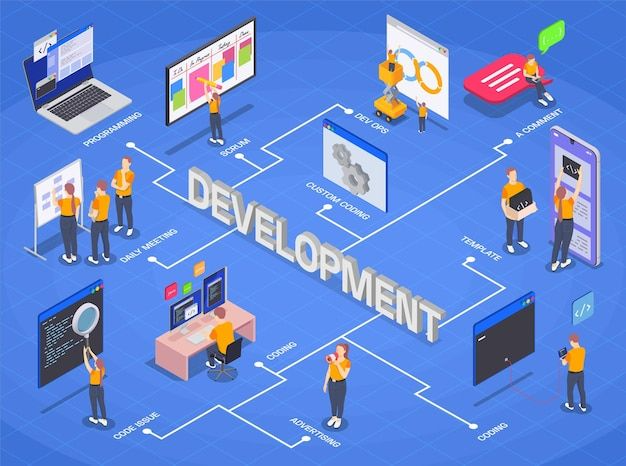
Device compatibility (across screen sizes and specs).
Client Testimonials
Challenges in Android Game Development
Android game development is both challenging and rewarding. With a vast audience, supportive development tools, and creative freedom, it’s an ideal platform for both beginners and professionals. Whether you aim to build a simple 2D puzzle game or a full-fledged 3D RPG, understanding the entire development process—from concept to release—is the key to crafting engaging and successful mobile games.
By following best practices, using the right tools, and staying up-to-date with market trends, you can turn your game ideas into reality and find your place in the ever-growing world of Android gaming.
© 2026 All Rights Reserved.